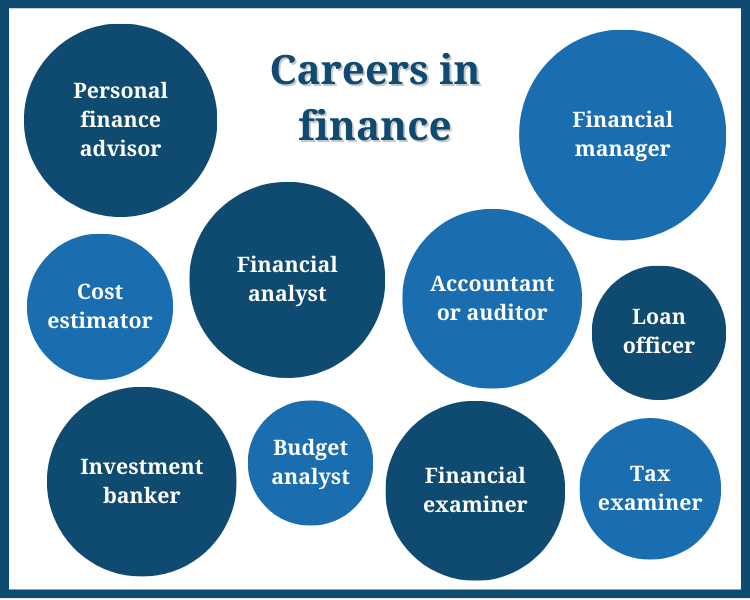
Discover why modern finance roles are becoming increasingly popular among professionals. Explore responsibilities, skill requirements, salary growth, career opportunities, and why this role is considered one of the most attractive jobs in today’s market.
Introduction: Why Finance Roles Are More Popular Than Ever
The finance industry has always been associated with stability, prestige, and high earning potential. But in 2025, finance careers have evolved dramatically. With digitalization, automation, data analytics, and global financial integration, new high-growth roles are emerging—roles that offer:
✔ Great salaries
✔ Strong job security
✔ Fast career growth
✔ Opportunities in every industry
✔ High respect
✔ Intellectual challenge
✔ Work flexibility
Among all these roles, one stands out as exceptionally attractive:
👉 The Financial Analyst (also known as Finance Analyst, Business Analyst – Finance, Investment Analyst depending on specialization)
This is the finance role professionals across industries are talking about because it blends data, strategy, forecasting, and business insights—all crucial for modern decision-making.
This article explores exactly what makes this role so compelling today.
Chapter 1: What Is a Financial Analyst?
A Financial Analyst helps organizations understand:
- How money flows
- How investments perform
- What financial risks exist
- What decisions can lead to growth
- How to reduce costs and improve profitability
They study data, analyze trends, create financial models, evaluate opportunities, and guide companies toward smart financial choices.
Financial Analysts work in:
- Banks
- Corporations
- Insurance companies
- Fintech firms
- Investment companies
- Consulting agencies
- Venture capital firms
- Startups
- Government bodies
It is one of the most versatile and respected roles in finance.
Chapter 2: Why This Finance Role Is So Attractive to Professionals
1. High Salary Potential
Finance roles traditionally pay well.
But today, demand for analytical and forecasting skills has increased salaries even more.
2. High Job Security
Finance is essential for every business.
Companies cannot run without financial planning, budgeting, forecasting, and analysis.
3. Fast Career Growth
Analysts often progress into:
- Senior Analyst
- Finance Manager
- FP&A Manager
- Business Partner
- Investment Analyst
- Portfolio Manager
- CFO Track
This makes the career path extremely appealing.
4. Opportunities in Every Industry
Whether it’s tech, retail, healthcare, banking, manufacturing, or logistics—every industry needs financial analysts.
5. Dynamic & Interesting Work
This role involves:
- Data analysis
- Strategy
- Problem-solving
- Decision-making
- Market research
The work is challenging but exciting.
6. Remote & Hybrid Work Options
Because the work is digital and data-driven, many companies offer hybrid or fully remote roles.
7. Attractive to Freshers & Experienced Professionals
Freshers find it easy to enter.
Experienced professionals love the promotions and salary hikes.
Chapter 3: Core Responsibilities of a Financial Analyst
A Financial Analyst performs a wide range of tasks.
✔ Data Analysis
Examining historical data to identify trends.
✔ Financial Modeling
Creating spreadsheets and projections to forecast future performance.
✔ Budgeting & Forecasting
Supporting management in planning future budgets.
✔ Cost Management
Finding ways to reduce costs and improve profitability.
✔ Risk Assessment
Identifying potential risks in investments and operations.
✔ Investment Analysis
Evaluating stocks, bonds, portfolios, and alternative investments.
✔ Market Research
Studying economic conditions and industry dynamics.
✔ Reporting & Presentation
Communicating insights to senior management.
✔ Strategic Planning
Providing data-driven recommendations for growth.
Chapter 4: Skills Required to Excel in This Role
Successful Financial Analysts have a blend of technical and soft skills.
Technical Skills
1. Excel & Advanced Spreadsheet Skills
Modeling, charts, pivot tables, formulas.
2. Financial Modeling
DCF, valuation, forecasting.
3. Accounting Knowledge
Balance sheet, income statement, cash flow.
4. Data Analysis Tools
Power BI, Tableau, SQL (optional).
5. Financial Markets Understanding
Stocks, bonds, derivatives, commodities.
Soft Skills
1. Analytical Thinking
Understanding complex financial information.
2. Communication
Explaining insights to non-finance teams.
3. Problem-Solving
Finding business solutions using data.
4. Time Management
Handling multiple tasks and deadlines.
5. Business Acumen
Understanding how markets and industries work.
Chapter 5: Why Professionals Choose This Finance Role Over Others
1. Balanced Blend of Technical & Business Skills
Analysts handle both numbers and strategy.
2. Better Work-Life Balance (Compared to Investment Banking)
Most analyst roles offer reasonable hours.
3. Strong Demand in Corporates
FP&A (Financial Planning & Analysis) teams are expanding rapidly.
4. Attractive Salaries and Bonuses
Analysts often earn performance-based incentives.
5. Global Opportunities
Analysts can shift to:
- US companies
- UK firms
- Middle-east banking roles
- Singapore finance industry
6. High Respect Within Organizations
CFOs and CEOs regularly rely on financial analysis.
Chapter 6: Salary Overview for Financial Analysts in 2025
Freshers (0–2 years):
₹25,000 – ₹45,000 per month
Mid-Level (2–5 years):
₹50,000 – ₹90,000 per month
Senior Analysts (5–8 years):
₹1 lakh – ₹2 lakh per month
FP&A Managers:
₹1.5 lakh – ₹3 lakh per month
Finance Managers / Controllers:
₹2 lakh – ₹5 lakh per month
CFO Path Roles:
₹3 lakh – ₹7 lakh per month
These numbers vary by company size, city, and industry.
Chapter 7: Career Growth Path
Your career can grow in multiple directions:
1. Junior Analyst
Beginner-level tasks.
2. Financial Analyst
Core analysis, modeling, reporting.
3. Senior Financial Analyst
Team leadership, advanced modeling.
4. FP&A Manager
Handles budgeting & planning for entire departments.
5. Finance Manager
Manages teams, oversees financial operations.
6. Finance Controller
Ensures compliance, manages corporate finances.
7. CFO (Chief Financial Officer)
Top leadership role.
Chapter 8: Why Companies Need Financial Analysts in 2025
✔ Increasing competition
✔ Need for cost optimization
✔ Economic volatility
✔ Rapid market changes
✔ Digital finance tools
✔ Globalization
✔ Data-driven decisions
✔ Investor expectations
Every business now relies heavily on analytics-driven finance teams.
Chapter 9: The Future of Finance Roles (2025–2030)
Emerging roles include:
- AI Finance Analyst
- Fintech Analyst
- Risk & Compliance Expert
- ESG Finance Analyst
- Global FP&A Specialist
- Crypto & Digital Asset Analyst
Future-proof skills include:
✔ Automation tools
✔ AI financial modeling
✔ Data science basics
✔ Business intelligence
Financial Analysts who adapt will thrive.
Chapter 10: Why This Finance Role Is So Attractive
The Financial Analyst role is attractive because it offers:
✔ High earning potential
✔ Career stability
✔ Fast growth
✔ Global opportunities
✔ Strong skill development
✔ High respect
✔ Industry flexibility
✔ Modern, data-driven work
✔ Remote job possibilities
For anyone entering the finance world—freshers and experienced alike—this role is one of the most promising career choices of 2025 and beyond.
Also Read: Could This Entry-Level Job Be the Start of Your Dream Career?
Sources
U.S. Bureau of Labor Statistics
❓ FAQs
1. Is financial analysis a good career?
Yes, it’s one of the highest-demand and highest-paying roles.
2. Can freshers apply?
Yes, many companies hire freshers with good analytical skills.
3. Do I need advanced maths?
Basic maths and strong logic are enough. Excel skills matter more.
4. Is coding required?
Optional, not mandatory.
5. What industries hire financial analysts?
Nearly all industries—from tech to retail to banking.