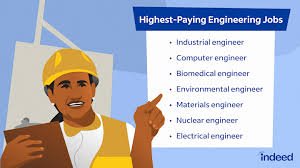
Discover which engineering jobs offer the best career growth in 2025. Explore high-demand fields, skills, salary trends, future scope, and opportunities for freshers.
Engineering has always been considered one of the most reliable and respected career choices. But in today’s rapidly changing world, students and professionals are asking a more important question than ever:
✅ Which engineering job truly offers the best career growth in the future?
With new technologies emerging every year, the engineering landscape is transforming. Traditional fields like civil and mechanical still offer stability, while newer domains such as data engineering, AI, renewable energy, and robotics are creating explosive opportunities.
This article explores all major engineering fields, comparing demand, salary potential, skills, industry scope, and long-term growth so you can decide whether the job you are considering is the right one for your future.
Whether you are a fresher choosing a career path, a final-year student, or a working engineer planning a switch, this guide will help you understand:
- Which engineering fields are growing fastest
- What skills improve career growth
- Which industries offer the best job security
- Which engineering roles are future-proof
- Where freshers get the fastest promotions
- Which jobs are becoming obsolete
Let’s dive into the world of engineering and discover which career path can take you to the top.
Why Career Growth Matters More Than Ever
In the past, engineering was considered a safe bet—get a degree, join a company, and build a long career. But the modern job market has changed dramatically:
- New technologies disrupt industries every 2–3 years
- Companies prioritize skills over degrees
- Automation is replacing repetitive work
- Engineers must upskill continuously
This means choosing the right engineering field is no longer only about salary—it’s about:
✅ long-term stability
✅ future demand
✅ global career options
✅ skill relevance
✅ growth opportunities
A field that is popular today may decline tomorrow. For example:
- Mechanical manufacturing jobs decreased in many regions due to automation
- Civil construction demand fluctuates with economy cycles
- Electrical engineering expanded into renewable energy and EV markets
- Software engineering exploded with digital transformation
So instead of asking:
❌ “Which branch is best?”
The real question is:
✅ “Which engineering job will grow with the future, not disappear with it?”
Top Engineering Fields With the Best Career Growth (Overview)
Here is a quick comparison of major engineering domains based on future scope, global demand, and growth speed:
| Engineering Field | Career Growth | Demand Level | Future Scope | Ideal For |
|---|---|---|---|---|
| Software Engineering | ⭐⭐⭐⭐⭐ | Very High | Extremely High | Tech-focused, problem solvers |
| Data Engineering / AI | ⭐⭐⭐⭐⭐ | Explosive | Future-critical | Analytical, math-oriented |
| Electrical Engineering | ⭐⭐⭐⭐ | High | Expanding (EV & renewables) | Electronics & innovation lovers |
| Mechanical Engineering | ⭐⭐⭐ | Moderate–High | Stable with automation | Design, machines, manufacturing |
| Civil Engineering | ⭐⭐⭐ | Stable | Region-based growth | Infrastructure-focused minds |
| Chemical Engineering | ⭐⭐⭐ | Moderate | Growing in energy & pharma | Process-driven thinkers |
| Biomedical Engineering | ⭐⭐⭐⭐ | Rising | Strong medical tech boom | Biology + tech interest |
| Aerospace Engineering | ⭐⭐⭐⭐ | Niche but high | Space & aviation growth | Space and flight enthusiasts |
No single field is best for everyone—but some are growing much faster due to global trends.
Software Engineering: The Fastest-Growing Engineering Career
Software engineering leads the growth chart because:
- Every industry requires software solutions
- Remote work opened global hiring
- AI, cloud, cybersecurity, and app development are booming
- Startups and MNCs hire continuously
Career growth highlights:
- Fast promotions based on skills
- Freelancing and remote opportunities
- High salary potential for freshers
- Easy transition into product management, data, or leadership roles
Top skills for growth:
- Programming (Python, Java, C++)
- Cloud computing
- DevOps
- AI & machine learning
- Full-stack development
Software engineering remains the most future-proof job in the engineering world.
Data Engineering, AI & Machine Learning: The New Super-Growth Domains
If there is one engineering path shaping the future, it is data and AI. Companies now treat data as their biggest asset, which has created massive demand for:
- Data engineers
- Machine learning engineers
- AI researchers
- Data scientists
Why career growth is huge:
- AI is being adopted across every industry
- Skill shortage means quick promotions
- High research and innovation opportunities
- Global mobility and remote jobs
Key skills include:
- Python, SQL
- Big data platforms
- Deep learning
- Statistics and analytics
- AI deployment
For engineers looking for fastest growth + highest future relevance, this is the winning field.
Deep Dive Into Major Engineering Jobs With Career Growth
In this section, we explore mechanical, civil, electrical, chemical, biomedical, and aerospace engineering—their growth potential, required skills, industry scope, and future opportunities for freshers and experienced professionals.
Mechanical Engineering: A Stable Career With Modern Transformation
Mechanical engineering is one of the oldest and broadest engineering fields. While traditional manufacturing roles have slowed in some regions, the field is evolving, creating new career paths.
Why Career Growth Still Exists
Mechanical engineers are needed wherever machines, systems, or products are designed and built. Growth is now driven by:
- Automation and robotics
- 3D printing and advanced manufacturing
- Electric vehicles (EVs)
- HVAC and sustainability systems
- Aerospace and defense components
Instead of declining, the field is shifting toward high-skill, high-tech roles.
Industries Offering the Best Growth
- Automotive & EV companies
- Aerospace & defense
- Robotics and mechatronics
- Renewable energy
- Heavy machinery and industrial plants
- HVAC and climate control systems
Skills Required for Faster Growth
- CAD software (SolidWorks, CATIA, AutoCAD)
- FEA and CFD analysis
- Robotics and automation basics
- PLCs and industrial design
- Materials science
- Maintenance and reliability engineering
Freshers who upskill beyond basic mechanical design grow significantly faster than those relying only on the core degree.
Civil Engineering: Strong Demand With Region-Based Growth
Civil engineering remains essential because infrastructure will always be required—roads, bridges, metros, airports, housing, and smart cities.
Where Career Growth Is Strongest
- Rapid urban development regions
- Government infrastructure expansions
- Smart city and green building projects
- Water and environmental engineering
- Construction project management
Countries investing in infrastructure offer continuous hiring, making civil engineering a stable long-term field.
High-Growth Specializations
- Structural engineering
- Transportation & highway engineering
- Geotechnical engineering
- Environmental engineering
- Urban planning
- Quantity surveying & project controls
Civil engineers who specialize often move into high-paying managerial roles.
Key Skills for Growth
- AutoCAD, STAAD.Pro, Revit
- Project management (PMP exposure)
- Cost estimation & planning
- Soil and structural analysis
- Safety and regulatory knowledge
Freshers can accelerate careers by entering roles like site engineering, planning, or QA/QC, then moving into management.
Electrical Engineering: Expanding Through Future Technologies
Electrical engineering is transforming faster than ever due to:
- Renewable energy
- Electric vehicles
- Power grid modernization
- Electronics and automation
This field offers both traditional stability and futuristic growth.
Industries With Highest Opportunity
- Solar and wind energy companies
- EV and battery manufacturing
- Power transmission & distribution
- Semiconductor and electronics
- Automation and control systems
Because the world is shifting toward sustainability, electrical engineers have global career portability.
Fast-Growth Skill Areas
- Power system design
- Embedded systems
- IoT hardware integration
- Battery management systems
- PLC/SCADA
- Industrial automation
Engineers who combine electrical with software or electronics earn faster promotions and higher packages.
Chemical Engineering: Growing in Emerging Sectors
Chemical engineering may not appear as glamorous as software or aerospace, but it offers outstanding growth in specific industries.
Where Chemical Engineers Are in High Demand
- Petrochemical and oil & gas
- Pharmaceuticals and biotechnology
- Food processing and FMCG
- Renewable and green hydrogen energy
- Environmental and waste treatment
This makes chemical engineering one of the most versatile process-oriented careers.
Future-Focused Specializations
- Process safety and HAZOP
- Polymer engineering
- Bioprocess and fermentation
- Battery chemistry and energy storage
- Sustainable materials and fuels
Skills Needed for Career Growth
- Process simulation (Aspen HYSYS)
- Quality and safety standards
- Plant operations and optimization
- Statistical process control
- Environmental compliance
Growth may be slower initially, but long-term career stability is very high.
Biomedical Engineering: A Rising Star in Healthcare Technology
Biomedical engineering is gaining rapid attention due to the merge of:
- Medical devices
- Robotics in surgery
- Artificial organs
- Diagnostic imaging
- Wearable health technology
Why Career Growth Is Accelerating
- Aging populations require advanced healthcare
- Tech companies are entering medical markets
- Hospitals increasingly use automated systems
- Research and innovation funding is rising
This field offers both research-based and industry-based growth.
High-Growth Career Paths
- Medical equipment design
- Prosthetics and implants
- Biomedical software and imaging
- Tissue engineering and biomaterials
- Regulatory and clinical engineering
Top Skills for Success
- Biology + engineering fundamentals
- MATLAB and simulation tools
- CAD for medical design
- Knowledge of medical standards
- Data analytics for healthcare
Biomedical engineering is ideal for students who want a technology career with social impact.
Aerospace Engineering: High-Potential but Competitive
Aerospace is a niche but highly rewarding engineering field. Demand is rising due to:
- Space exploration programs
- Commercial aviation growth
- Satellites and communication systems
- UAVs and drone technology
- Private space companies
Industries Offering Growth
- Space agencies
- Aircraft manufacturers
- Defense and missile systems
- Drone and UAV startups
- Satellite communication companies
Skills Required for Advancement
- Aerodynamics and propulsion
- CFD and simulation tools
- Materials engineering
- Flight testing and control systems
- Avionics basics
Career opportunities may be fewer compared to software, but growth and innovation potential are exceptional.
How to Choose the Best Engineering Career + Growth Roadmap
Choosing the right engineering job is one of the most important decisions in a student’s or fresher’s life. With so many branches and career paths available, confusion is normal—but the right decision can change your entire future.
This section will help you understand how to choose wisely, avoid common mistakes, and build a step-by-step career growth plan that works in every engineering field.
How to Choose the Best Engineering Job for Your Future
There is no single engineering job that is best for everyone. The right choice depends on a combination of four powerful factors:
✅ 1. Identify Your Interests and Natural Strengths
Career growth is faster when your field matches your inner strengths.
Ask yourself:
- Do you enjoy coding and solving logic problems? → Software / Data
- Do you love machines and product design? → Mechanical
- Are you curious about buildings and infrastructure? → Civil
- Are you interested in electronics and power systems? → Electrical
- Do chemistry and industrial processes excite you? → Chemical
- Do biology and medical innovation fascinate you? → Biomedical
- Are space and flight your passion? → Aerospace
Choosing a field only because others are doing it leads to frustration and slow growth.
✅ 2. Check Future Market Demand — Not Just Today’s Trends
Many students select a branch because it is popular this year, but real winners think long-term.
Look for fields that offer:
- Automation-proof roles
- Global hiring opportunities
- Expanding industries
- Innovation and R&D
- Multi-career pathways
For example:
- Data, AI, renewable energy, EVs = growing rapidly
- Core manufacturing = shifting but still relevant
- Infrastructure = stable but region-dependent
Choose the field that will still be strong 10–20 years from now.
✅ 3. Understand Skill Requirements Before Choosing
Every branch requires different abilities. If you choose a field that doesn’t match your strengths, growth becomes difficult.
Examples:
- Software → logical thinking, programming
- Civil → on-site roles, planning, fieldwork
- Mechanical → design, manufacturing, problem-solving
- Electrical → math, circuits, control systems
- Chemical → process understanding, safety
- Biomedical → biology + technology blend
Selecting a field that aligns with your skill style leads to faster promotions and less struggle.
✅ 4. Consider Lifestyle, Work Environment & Career Flexibility
Each engineering job comes with a different lifestyle.
Examples:
- Civil engineers may work on construction sites
- Software engineers can work remotely
- Mechanical and chemical engineers may work in plants
- Aerospace engineers may need security clearances
- Biomedical engineers may work in labs or medical facilities
Think about:
- Do you want travel-based work or office-based?
- Remote work flexibility or on-site responsibilities?
- Research and innovation or industry and operations?
A job that matches your preferred lifestyle brings long-term satisfaction.
Big Mistakes Freshers Must Avoid in Engineering Careers
Many engineering graduates struggle—not because of lack of talent—but because of avoidable mistakes.
Here are the top career-destroying errors:
❌ 1. Depending Only on a Degree
A degree alone is not enough anymore.
Companies look for:
- Practical skills
- Projects and internships
- Software/tool knowledge
- Certifications
- Communication skills
Freshers who upskill early get better job offers and faster promotions.
❌ 2. Choosing a Field Only for Salary
High salary without interest = burnout + slow growth.
Real success happens when:
✔ passion + ✔ skills + ✔ demand come together.
❌ 3. Ignoring Internship and Project Experience
Many freshers focus only on exams, but hands-on experience makes the difference.
Start early with:
- mini-projects
- industrial training
- internship programs
- freelancing (for software/AI)
Experience builds confidence + employability.
❌ 4. Not Learning Soft Skills
Engineering growth is not only technical.
Important soft skills:
- communication
- teamwork
- leadership
- problem-solving
- time management
Engineers with strong soft skills become:
- team leads
- managers
- project heads
- industry experts
❌ 5. Waiting Until Final Year to Plan a Career
Career building must start from first or second year, not at the end.
Planning early = competitive advantage.
A Step-by-Step Career Growth Roadmap for Engineers
No matter your field—software, mechanical, civil, electrical, chemical, biomedical, or aerospace—this roadmap applies to everyone.
✅ Year 1–2 (Foundation Stage)
Focus on:
- Strengthening core subjects
- Exploring different fields
- Learning basic tools (AutoCAD, Python, MATLAB, etc.)
- Joining clubs, events, and competitions
Start building curiosity + confidence.
✅ Year 2–3 (Skill-Building Stage)
Start specializing:
- Take certified courses relevant to your branch
- Work on real-world projects
- Participate in internships
- Build a portfolio or GitHub (for software/AI)
This stage determines future direction.
✅ Year 3–4 (Industry-Preparation Stage)
Now focus on job readiness:
- Resume and LinkedIn building
- Mock interviews and aptitude practice
- Major project aligned with your field
- Apply for internships and placements
Networking becomes very important here.
✅ First 2–3 Years After Graduation (Growth Acceleration)
- Gain maximum hands-on experience
- Learn advanced tools and technologies
- Take ownership roles in projects
- Switch companies strategically (if needed)
- Avoid long career gaps
Professionals who grow fastest are those who keep learning continuously.
Skills That Guarantee Future-Proof Success in Engineering
To survive and grow in a fast-changing world, engineers must develop hybrid skills.
✅ 1. Technical + Digital Skills
Examples:
- Coding basics (even for non-software engineers)
- Data literacy
- Simulation tools
- Automation and IoT exposure
- AI integration knowledge
Engineering + digital = unlimited career opportunities.
✅ 2. Problem-Solving and Analytical Thinking
Companies value engineers who can:
- analyze situations
- fix root-cause issues
- make decisions
- innovate solutions
This skill leads to leadership roles.
✅ 3. Continuous Learning Mindset
Technology changes fast.
Engineers who:
✔ learn new tools
✔ stay updated
✔ adapt quickly
remain future-proof.
✅ 4. Communication and Leadership Skills
You grow faster when you can:
- explain ideas clearly
- manage teams
- lead projects
Many engineers fail—not due to technical weakness—but communication gaps.
✅ 5. Industry-Specific Certifications
Examples:
- Software: AWS, Azure, DevOps
- Data/AI: ML, Data Engineering certifications
- Civil: PMP basics, AutoCAD, Revit
- Mechanical: SolidWorks, CATIA, Six Sigma
- Electrical: PLC/SCADA, embedded systems
- Chemical: HAZOP, process safety
- Biomedical: regulatory compliance training
Certifications = credibility + higher salary.
Also Read: Could This Entry-Level Job Be the Start of Your Dream Career?
Sources
engineeringuk.com+1
Online Engineering Programs
FAQs
1. Which engineering job offers the best career growth in 2025 and beyond?
Software engineering and data/AI engineering currently offer the fastest growth due to digital transformation, automation, and global demand. However, electrical engineering (EVs, renewables) and biomedical engineering are rapidly rising and provide excellent long-term potential.
2. Can traditional engineering fields still provide good career growth?
Yes. Mechanical, civil, chemical, and electrical engineering still offer strong and stable careers, especially when combined with modern skills like automation, simulation tools, sustainability, and project management.
3. Which engineering field is best for freshers with fast promotions?
Fields with skill shortages and rapid expansion provide faster growth:
- Data engineering
- AI & machine learning
- Software development
- Renewable energy and EV technology
- Biomedical device engineering
Freshers who upskill early grow faster regardless of branch.
4. Is coding necessary for all engineering jobs?
Not mandatory for every field, but basic coding and digital literacy are highly beneficial. Even mechanical, civil, and electrical engineers gain an edge with Python, automation, or simulation-based software exposure.
5. Which engineering job has the highest global opportunities?
Software, data engineering, electrical (especially power and renewable), biomedical, and aerospace engineering offer strong international mobility due to worldwide demand and standardized skills.
6. What is the safest engineering career for long-term stability?
Civil engineering (infrastructure), electrical engineering (power systems), and mechanical engineering (manufacturing, HVAC, automotive) provide reliable long-term security because they support essential industries.
7. How can an engineering fresher grow faster in their career?
- Build skills beyond the degree
- Gain internships and hands-on projects
- Learn industry tools and certifications
- Improve communication and teamwork
- Stay updated with new technologies
- Network and apply strategically
Growth depends more on skills and adaptability than on branch selection.
Engineering remains one of the most powerful and future-proof career paths, but success today depends on choosing the right direction and continuously upgrading skills. No single engineering job is universally the best—what truly creates growth is the combination of:
✅ your interests
✅ future market demand
✅ relevant skills
✅ consistent learning
Software and data-driven fields are expanding rapidly, while electrical, biomedical, aerospace, and renewable-energy-based engineering are shaping the industries of tomorrow. Traditional branches like mechanical, civil, and chemical continue to offer strong stability when aligned with modern technologies and specialization.
Ultimately, the engineering job that offers the best career growth is the one that:
✔ matches your strengths
✔ aligns with future industry trends
✔ allows flexibility and upskilling
✔ provides opportunities to innovate and lead
With the right roadmap, every engineering field can become a gateway to long-term success.