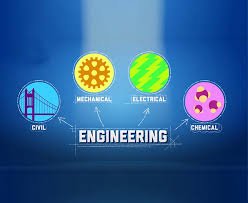
Discover why mechanical, civil, and electrical engineering roles stand out today—skills, responsibilities, scope, salary outlook, and future career opportunities.
Engineering has always been the backbone of global development, but in today’s evolving job landscape, employers and candidates are asking a different question—not just which engineering field is best, but what truly makes a specific role stand out.
Mechanical, civil, and electrical engineering continue to dominate hiring trends due to:
- Consistent industry demand
- Direct real-world impact
- High career stability
- Growing specialization pathways
- Technological transformation
This comprehensive guide explores what sets each role apart, the skills that matter, the industries hiring aggressively, and how freshers and experienced professionals can build a standout profile.
✅ Why These Roles Stand Out in Today’s Job Market
Before diving into individual branches, here’s why these three remain the most sought-after:
⭐ 1. Core Infrastructure & Industrial Dependency
Every country relies on:
- Machinery and manufacturing → Mechanical
- Roads, buildings, bridges → Civil
- Power, automation, electronics → Electrical
These aren’t optional sectors—they are essential.
⭐ 2. Evergreen Career Demand
Unlike trend-based fields, these roles remain relevant due to:
- Urban expansion
- Smart industry growth
- Population increase
- Global energy needs
- Manufacturing and construction revival
Companies need these engineers year after year.
⭐ 3. Cross-Industry Career Mobility
These roles open doors to:
- Government and public sector units
- Private industries
- R&D centers
- EPC companies
- Global engineering consultancies
- Renewable energy firms
No other fields offer such wide flexibility.
✅ Mechanical Engineering: What Makes This Role Stand Out
Mechanical engineering is one of the broadest and most adaptable engineering branches.
🔹 1. Massive Cross-Industry Application
Mechanical engineers work in:
- Automotive and EV manufacturing
- Aerospace and aviation
- Oil and gas
- Robotics and automation
- Power plants and energy systems
- Biomedical devices
- HVAC and refrigeration
- Industrial machinery
This diversity ensures strong job security.
🔹 2. Core Skills With High Transfer Value
Mechanical engineers excel due to:
- Thermodynamics
- Fluid mechanics
- Heat transfer
- Machine design
- Material science
- Manufacturing processes
These fundamentals allow easy transitions into:
- Mechatronics
- Robotics
- Quality control
- Product design
- Maintenance engineering
- Project management
🔹 3. Future-Driven Growth Areas
Modern mechanical roles stand out because of:
- Electric vehicle revolution
- Industry 4.0 smart factories
- 3D printing and additive manufacturing
- Automation and robotics integration
- Renewable and energy-efficient systems
- Digital simulation (CFD/FEA)
Mechanical engineering is not declining—it’s transforming.
🔹 4. Key Responsibilities That Define the Role
Mechanical engineers handle:
- Design and development of mechanical components
- System testing and performance optimization
- Failure and reliability analysis
- Production planning and manufacturing
- Maintenance and troubleshooting
- Cost and efficiency improvement
Their decisions directly influence safety, efficiency, and innovation.
🔹 5. Skills That Make Mechanical Engineers Stand Out
To grow faster, engineers need modern skills such as:
- SolidWorks, CATIA, AutoCAD
- ANSYS, HyperMesh, CFD tools
- PLC & automation basics
- MATLAB and simulation
- Six Sigma and quality systems
- IoT in manufacturing
- Predictive maintenance techniques
✅ Civil Engineering: What Makes This Role Stand Out
Civil engineering shapes the world we live in—from transportation and water supply to urban development and mega infrastructure.
🔹 1. Direct Impact on Public and National Growth
Civil engineers build:
- Bridges, highways, and railways
- Smart cities and urban layouts
- Airports and ports
- Dams and canals
- Hospitals and educational institutions
- Water treatment and sanitation systems
No other engineering field influences daily life at such scale.
🔹 2. Evergreen and Expanding Career Scope
Civil engineering remains in demand due to:
- Rapid urbanization
- Housing and infrastructure expansion
- Smart city missions
- Disaster-resilient construction
- Sustainability initiatives
Developing countries especially offer strong long-term opportunities.
🔹 3. Specializations That Make Civil Roles Unique
Top specialization paths include:
- Structural engineering
- Geotechnical engineering
- Transportation engineering
- Environmental engineering
- Construction project management
- Quantity surveying
- Urban and regional planning
Each offers distinct responsibilities and career growth.
🔹 4. Responsibilities That Define Civil Engineers
Roles typically involve:
- Designing safe and efficient structures
- Planning and supervising construction
- Surveying and site inspection
- Material and soil analysis
- Cost estimation and tendering
- Ensuring safety and regulatory compliance
Their work determines public safety and long-term sustainability.
🔹 5. Skills That Make Civil Engineers Stand Out
Modern civil engineers benefit from:
- AutoCAD, Revit, STAAD Pro
- BIM (Building Information Modeling)
- Project scheduling tools (MS Project, Primavera)
- Green building and sustainability standards
- Quality and safety management
- GIS and remote sensing basics
✅ Electrical Engineering: What Makes This Role Stand Out
Electrical engineering powers modern technology—from household supply to advanced automation systems.
🔹 1. Industry Relevance Across Every Sector
Electrical engineers are essential in:
- Power generation and distribution
- Renewable energy (solar, wind)
- Electric vehicles and battery systems
- Consumer electronics
- Smart grid and automation
- Telecommunication infrastructure
- Industrial control systems
This makes the role future-proof.
🔹 2. Driving the Global Energy Transformation
Demand is rising due to:
- Clean energy transition
- Smart city and smart grid adoption
- Electrification of transportation
- Rapid industrial automation
- Increasing digital dependency
Electrical engineers are key players in sustainability and innovation.
🔹 3. High-Impact Specializations
Top career tracks include:
- Power systems engineering
- Control and instrumentation
- Embedded systems
- Renewable energy engineering
- Electronics design
- Automation and PLC/SCADA
Each field offers global career mobility.
🔹 4. Core Responsibilities in Electrical Roles
Key duties may involve:
- Designing and testing electrical systems
- Ensuring safe power distribution
- Implementing automation and control solutions
- Troubleshooting equipment failures
- Energy efficiency optimization
- Supervising installation and maintenance
Electrical engineers ensure reliability, performance, and safety.
🔹 5. Skills That Make Electrical Engineers Stand Out
Must-have technical skills include:
- MATLAB, Simulink
- PLC, SCADA, DCS
- AutoCAD Electrical
- Power system analysis tools
- Embedded C, PCB design basics
- IoT and smart automation
- Solar and wind system design
Also Read: Could This Entry-Level Job Be the Start of Your Dream Career?
Sources
Engineering Institute of Technology
✅ FAQs
1. Which role is best—mechanical, civil, or electrical?
There is no single “best” field. The right choice depends on interests—machines and manufacturing (mechanical), infrastructure development (civil), or power and systems (electrical).
2. Which field has the highest future demand?
Electrical engineering currently leads due to renewable energy, automation, and EV growth, but all three maintain long-term stability.
3. Are these roles good for freshers?
Yes—each offers strong entry-level opportunities in core and allied industries, especially with upgraded technical skills.
4. Do these branches offer global career scope?
Absolutely. Mechanical, civil, and electrical engineers are needed worldwide across EPC, construction, manufacturing, power, and consulting.
5. What skills increase hiring chances?
CAD tools, BIM, PLC/SCADA, simulation software, project management, and data-driven engineering boost job prospects significantly.